

By Liesha Wessinger-Huffstetler
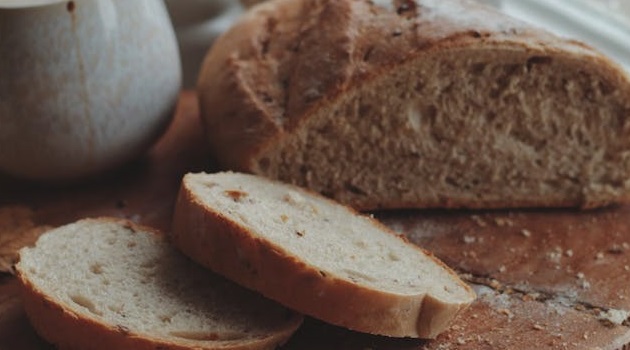
Mrs. Francis Eleazer’s life experiences were typical of daily life in the Dutch Fork. She said they grew corn and wheat to feed their family, as well as hogs and chickens. I recall a farmer showing me seeds for white corn, yellow corn, and “hog corn.” To have enough corn and wheat, you needed large fields and a lot of land. Mrs. Francis recalled that the corn stalks were bundled together and put in the barn to use as fodder for the cows. Some of the corn was shelled and cracked for chickens. Corn was also taken to the grist mill for the production of grits and cornbread. The wheat was taken to a mill and ground into organic whole wheat flour, making very healthy and delicious bread. I wish I could have tasted some of those homemade bread loaves.
She reminisced about the “beef clubs” in the 1930s. The beef club consisted of four to five families that got together to help butcher a cow. One week, one family had the butchering at their place, and the next time, it was at another’s house. Hogs were raised for food and for fat. You gotta have lard to cook, fry, and make soap! The fatter the hog, the better. Sausage links were made from the hog intestines and hung in the smokehouse. Hams were prepared and put in salt barrels to be “cured.” Everyone in the “fork” had a corn crib, a smoke house, barns, and lots of hay for the cows.
As a little girl, she had a pet chicken and didn’t want it to be a meal. However, it probably ended up on the table. The task of butchering a chicken was a messy process. She said that the unfortunate chicken was hung on the clothesline, hung upside down,” beheaded,” then placed in a pot of boiling water to make de-feathering the bird easier. If you have not had the privilege of plucking wet feathers out of a chicken, you need to do so! Quite a memorable event. The headless, featherless chicken was then prepared for cooking. Her daughter interjected a question, “Hey, Mom, tell her about the possums!” I laughed because I knew what was coming. Her father would trap a possum at night, place it in a cage, and feed it until it was fattened up. When the time was right, the poor possum would be butchered and eaten with sauerkraut and sweet potatoes. My dad had told me the same story about possums. She said that possum meat was similar to pork, fatty and greasy. I personally would rather eat sauteed grass clippings than eat a possum. Squirrels, rabbits, and birds were also on the menu of many tables in the Dutch Fork. Times were tough and you have to have protein! Next week we will finish honoring the life and stories of Mrs. Frances.