
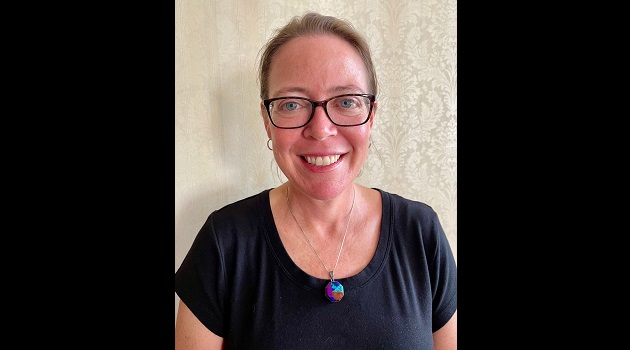
By Sarah Ostergaard
It’s summer and school’s out. But education doesn’t take a rest. Members of the Social Studies Standards Revision Committees are volunteering their time and expertise to draft new standards for SC’s K-12 Social Studies courses. The final draft of the revised standards is due later this month, after which there will be a public comment period. At that time, anyone may review and comment upon the draft Social Studies standards.
What are standards? A course’s standards are the framework of a course in K-12 education. They are learning goals that define what students should know and be able to do by the end of the course, identifying what information and skills are taught in a specific K-12 course and ensuring students across the state learn the same essential information and skills. Standards are public knowledge. Therefore, you can look on the SC Department of Education’s website and read the standards for your child’s courses / grade level to know what your child will be expected to know and do.
Course standards are not only educational documents that tell you what your child should learn through the course, but also public policy that reflect community values and priorities.
Standards review and revision is essential to the wellbeing of education in our state, and one would hope that the very best, brightest, and most experienced would be invited to participate in this serious endeavor and that adequate time and resources would be provided.
State law mandates that every academic subject area undergo a cyclical review and update at least once every seven years. During this process, the South Carolina Department of Education, the State Board of Education, and the Education Oversight Committee collaborate to review and revise standards. By statute, existing content standards remain fully in effect until revised standards are reviewed and officially adopted by both the State Board of Education and the Education Oversight Committee
Earlier in 2026, the SC Department of Education launched the formal cyclical review of the 2019 South Carolina College- and Career-Ready Standards for Social Studies, which are the state’s K-12 history, geography, economics, and civics standards. The review process is designed to include a wide range of voices, and allows for a public comment period at the end of the process. Select classroom teachers, district leaders, higher education faculty, parents, business representatives, and community members were invited to participate in reviewing and recommending changes. Committees examine existing standards, compare them with those used in other states, consider feedback from educators and the public, and recommend revisions for improvement. Then more committees are selected to work together to revise (rewrite) the standards. The goal is to create standards across K-12 Social Studies courses that are academically rigorous, age-appropriate, and useful for teachers and students.
The standards review can’t help but become part of a broader public conversation. Legislators have introduced proposals addressing how future Social Studies standards should be developed, including recommendations about who serves on review committees and the historical approaches emphasized in the standards. The SC Department of Education’s cyclical review document states that the revised standards must “build critical thinking, civic responsibility, and real-world readiness” through history, civics, geography, and economics, and the standards should “promote a knowledge-rich curriculum that highlights South Carolina’s unique heritage” and “help South Carolina lead the nation in civic education.”
Course standards shape the knowledge and skills students develop throughout their school careers. Every course matters, and your voice is invited to be a part of the process during the public comment period. Understanding how standards are created and taking part in the process helps ensure that South Carolina’s classrooms teach the knowledge and skills our future leaders need and moreover, the core values we want our future leaders to embody.