

By Leisha Wessinger-Huffstetler
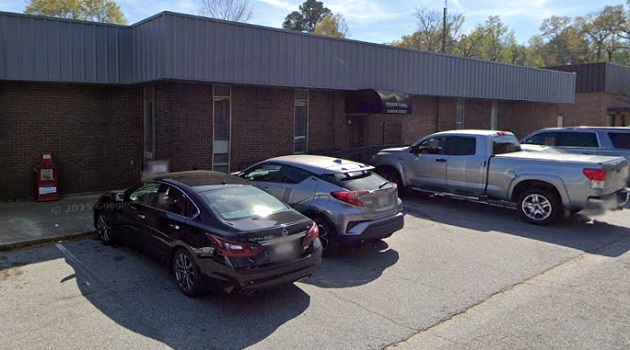
Any history of Chapin is not complete without mentioning the Pinner Clinic in Peak. Everyone in Chapin and the surrounding areas went to the Pinner Clinic, where patients have been seen since 1917.
To make things interesting, there are three Caroll Pinners: the original Dr. Caroll, born 1892, the son, Caroll Pinner Jr, born 1922, and Dr. Pinner III, who still works part-time. Dr. Ben Pinner, the son of Dr. Caroll III, is the 4th generation to work at the 108-year-old practice.
How did the Pinner Clinic begin? It all started when Dr. Carroll Sr., born in 1892, traveled to visit his brother, Dr. Zachary Pinner, who had a practice in Pomeria. While visiting his brother, he met a beautiful young lady, Rosalie Suber, and they married. Pinner Sr. had an opportunity to start practice in Whitmire, but Rosalie didn’t want to move to Whitmire. Thank you, Mrs. Rosalie! He started The Pinner Clinic in Peak, where the train trestle for the Southern Railway was located, and would become intertwined in the history of the family and the clinic.
The trestle had been there since 1833 and connected Newberry to Fairfield County. Dr. Pinner Sr. had cars parked on the Fairfield and the Newberry side of the bridge. Imagine having to carefully walk in the dark, across the trestle on the railroad crossties, to get to your car to see patients? In a Mid Carolina Journal article by Ellen Pinner Bowers, Pinner Jr. said, “I’d hate to estimate the weeks or months of lost time from walking across the trestle than actually working with patients.” Having a car on both sides brought problems, including the theft of cars, gas, and tires. A garage was built on one side to park the car, but the broad river flooded it and destroyed the vehicle. In 1961, a bridge was finally built, The original office building was a SC dispensary. When Dr. Caroll Jr. and Dr. Harriot Pinner took over the practice in 1949, they renovated the building. The life of a doctor was different in the past; there were office hours of the morning for sick patients, and afternoon hours for house calls. There were also night hours for those who didn’t want to lose work during the day. The unexpected night visitors knocking on the door were common.
Coy Bayne’s article in The State, on July 18, 1965, stated that Dr. Carroll Sr.’s standard fee for delivering a child was $10. Still, hams, turkey, fish, and other food were offered as payments. Dr Caroll Pinner II told me Dr. Pinner Sr. and Jr. dispensed their own medicine, gave out a “pink” pill or a “blue “pill. I wonder what was in those pink and blue pills? Stay tuned, because next week the history of the Pinner Clinic continues!