

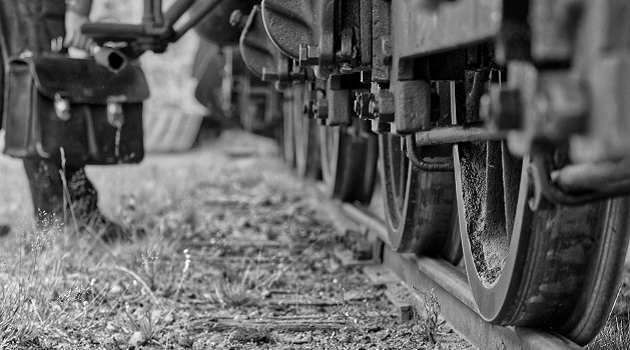
American-rails.com says the cost of building the CN&L railroad for the 1887 bond was $12,000 a mile. Sounds cheap in today’s world but was a lot of money at that time. The site also says the passenger trains were pulled by steam engines, who need water and wood to operate. Chapin had a water tower and wood! Sonny Shealy said the lumber mill was where Zorba’s is currently. When the boards were planed, and made into lumber, the wood shavings were saved to fuel the steam engine. The train whistle went off at 8 a.m., 12 p.m., 1 p.m., and 5 p.m., and you could hear it all the way down AFR. Who needed a watch when you had the train whistle!
Mr. Google says the engines had to resupply the water and wood every 7-10 miles, which is very convenient because all the stops from Columbia to Laurens are around 10 miles apart. Coal eventually replaced wood to fuel the steam engines. I remember an older cousin telling me that as a youth, he would go to the railroad tracks in Chapin and try to find coal that fell off the train, so he could fire up his forge and practice his blacksmith techniques.
During the Great Depression, while the other train companies were going bankrupt, CN&L was very successful. Why? The CN&L rail line brought goods and supplies to build Lake Murray Dam.
The Chapin train depot was a hub for goods, people, mail, and flowers! Here is where Chapin’s train history intersects with the Teal family: Bart, Gene, and Leyland Teal. Mr. E.B. Teal was the depot agent, and his wife, and where Mrs. Ernestine Teal, ran her flower shop. The depot was a hop, skip, and a jump from Goza’s general store and Joe Chapman’s gas station. Joe Chapman was known for the best hamburgers and that is where the train crew would stop and get a bite to eat.
Leyland Teal also remembers Gene would buy Coca-Colas at Joe’s gas station, and they would “go traveling.” Back then, the colas would have the town’s name on the bottom where it was made. Whichever brother had the furthest city away from Chapin, would win. Mrs. Ernestine’s flower shop was inside the train station and provided flowers for marriages and funerals in Chapin. She drove her Volkswagen Beetle to the Florist in the Shandon area and filled it with beautiful flowers to create floral arrangements. The Teal brothers had a desk at the back of the depot to study. A pot-belly stove provided the heat in the winter. I think it would be fascinating to go back in time from 1890 onward and see, hear, and smell the flurry of daily activity at the train depot. The passengers, the mail, the mingling of loading goods and products on and off the train, the people, the interactions. If the train depot’s dilapidated, rotting wooden boards could talk! Wouldn’t you love to hear those stories!