

You don’t have to eat perfectly to improve your health.
When it comes to gut health, one of the most useful goals may be to focus less on perfection and more on variety.
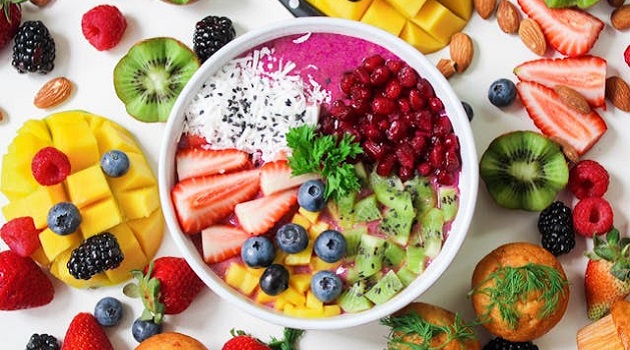
One simple approach is to try eating 30 different plant foods each week.
And before you think, “There is no way I’m eating 30 different vegetables every week,” that’s not what the goal means.
The 30-plant habit
The American Gut Project examined the gut microbiomes of thousands of people and found that those who reported eating 30 or more different types of plants per week tended to have greater microbial diversity than those eating 10 or fewer.
Why does that matter?
The gut microbiome plays an important role in digestion, nutrient metabolism and immune function. Different plant foods provide different types of fiber and naturally occurring compounds, including polyphenols and phytonutrients, that can help support the complex community of microorganisms living in the digestive tract.
The goal isn’t necessarily to eat more food. It’s to eat a greater variety of foods.
Your 30 plant foods can include:
- Fruits and vegetables
- Beans and lentils
- Whole grains
- Nuts and seeds
- Herbs and spices
Yes, herbs and spices count.
Cinnamon in your oatmeal. Garlic and oregano at dinner. Turmeric in a soup. Chia or flax seeds in a smoothie.
Those small additions can add up quickly.
More restrictive doesn’t always mean healthier
This is also one reason to be cautious about overly restrictive diets unless there is a specific medical or therapeutic reason for following one.
Sometimes, in an effort to eat “cleaner” or eliminate foods we believe are unhealthy, we end up eating the same small selection of foods over and over.
A healthy diet doesn’t have to be complicated or restrictive.
Diversity matters.
Try adding one more plant
Instead of trying to overhaul your diet, start with one simple question:
How can I add one more plant?
Try a different type of berry. Add another vegetable to dinner. Use two herbs instead of one. Try a different variety of beans, nuts or seeds.
Then keep track of how many different plant foods you eat throughout the week and see how close you can get to 30.
The point isn’t to create another rule that makes eating stressful. It’s simply a way to encourage greater variety.
Progress, not pressure, is the goal.
What if you’re already eating healthy?
Even people who eat a generally healthy diet may experience digestive problems, low energy, cravings or other symptoms.
Instead of automatically assuming that another restrictive diet is the answer, it can be useful to look at the bigger picture — including nutrition, lifestyle, eating patterns and individual needs.
There is no single diet that works perfectly for everyone.
For many people, a good place to start is simply adding more variety to the foods they already enjoy.
You don’t have to change everything at once.
One additional plant today can be the beginning of a more diverse diet this week.
A Labor Day Sale Worth Knowing About
I also wanted to pass along a sale from one of the supplement companies I personally use and recommend, Optimal Health Systems.
I’m very selective about supplements and look closely at sourcing, manufacturing standards, testing and formulation before I recommend a brand.
Through Thursday at 11:59 PM:
20% OFF with code: TAKE20
Plus an additional 10% off when you subscribe.Shop the Labor Day Sale:
Here is the link: Shop the Sale here!
In good health,
Jennifer Tardy, CHN, IPHM Jennifer Tardy is an IPHM-certified holistic nutritionist, integrative health coach, and personal trainer. Eating for Healing Nutrition and Wellness focuses on holistic approaches to health and wellness. She can be reached at 803-556-2593 or at www.eatingforhealing.org