

By Liesha Wessinger-Huffstetler
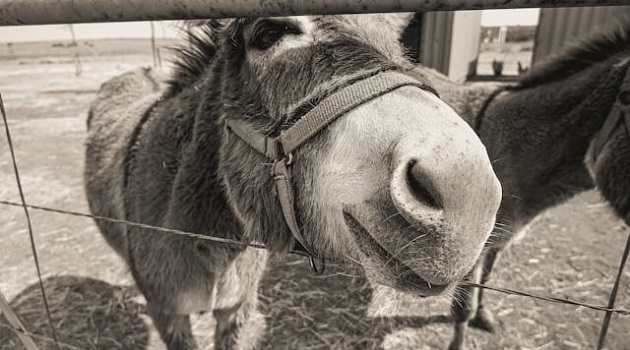
Let’s talk about mules—the dependable workhorses of the days before tractors.
A mule is a hybrid, the offspring of a male donkey and a female horse, and is typically infertile. Because nearly every farm relied on mules, families either bred them or purchased them as needed. While I’ve never heard many stories of donkeys being kept on local farms, that doesn’t necessarily mean they weren’t here.
According to various agricultural sources, mules are hardy animals that require less maintenance than horses and are known for their intelligence, strength, and endurance. One description from bensonranch.com notes that mules are often labeled “stubborn,” but that behavior is more accurately a sign of their ability to assess situations carefully. When unsure or sensing danger, a mule will often stop and “think it through” before moving forward.
That pause isn’t defiance—it’s evaluation.
Mules are smart animals. They don’t simply follow blindly; instead, they assess what’s happening and decide whether it is safe. There’s something to be said for that kind of thinking. Maybe we could all use a little “mule lesson” in slowing down and considering things before jumping to conclusions.
Once trust is established, mules are also known for their loyalty and reliability, making them valuable partners on the farm. In many rural households, they were part of a familiar trio of working animals—alongside dogs and cats, each with their own roles.
Mules were well cared for and typically fed corn fodder. Other livestock had their own diets: pigs were fed “slop,” a mixture of kitchen scraps, grains, and leftovers, while chickens ate cracked corn, wheat, and whatever they could scratch up in yards and pastures—including bugs. Chickens, being omnivores, would also occasionally eat small animals and even each other.
As for people, farm life meant self-sufficiency. Families commonly raised and processed their own food, including pigs, chickens, squirrels, and even possums—yes, roasted possum was once part of the rural table, a topic for another time.
Butchering was a normal part of life. Processing a pig was a full-day family event, while chickens were typically handled by one or two people. Anyone who remembers the task of plucking a freshly killed chicken knows it was a messy, unpleasant job often left to younger family members.
Ask any old-timer about “chicken killing Saturday” before Sunday dinner.
Today, electric chicken pluckers have made the process far easier. But there was a time when those tools didn’t exist. One memorable day on the Huffstetler farm, the plucker broke down, and chickens had to be processed the old-fashioned way. My grandparents, I’m convinced, were watching from above—probably laughing and proud all the same.
We’ve gained convenience in modern life, but we’ve also lost a great many hands-on skills. Sometimes it’s worth looking back—not just for nostalgia, but for the lessons those simpler days still offer.