

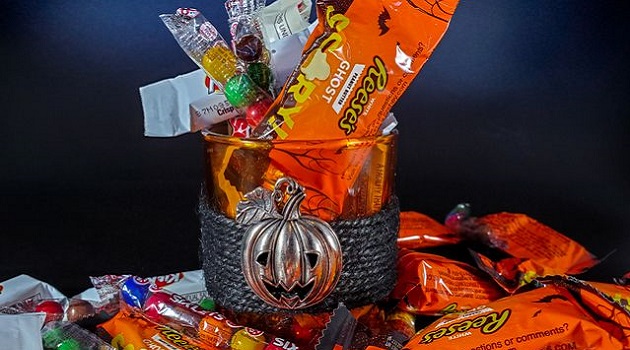
Prisma Health dietitian offers tips for enjoying Halloween treats in moderation
As Halloween approaches, costumes, decorations and candy take center stage. While enjoying a favorite treat is part of the holiday fun, experts at Prisma Health say the season is also a good time to consider how much added sugar we consume throughout the year.
“Many people associate sugar concerns with Halloween, but added sugars can affect our health throughout the year,” said Lisa Akly, a registered dietitian with Prisma Health Heart & Vascular Institute. “The good news is that you don’t have to eliminate treats completely. Making informed choices and focusing on balance can help support long-term health.”
What are added sugars?
According to federal nutrition guidance, added sugars are sugars and syrups added to foods and beverages during processing or preparation. Unlike naturally occurring sugars found in whole fruits, plain milk and unsweetened yogurt, added sugars generally provide calories with little nutritional value.
Common sources of added sugar include:
-
Candy
-
Cookies and cakes
-
Soft drinks
-
Energy drinks
-
Sweetened coffee beverages
-
Sweet tea and other sugar-sweetened drinks
Health risks of too much added sugar
The Centers for Disease Control and Prevention warns that consuming too much added sugar may contribute to weight gain, heart disease and Type 2 diabetes.
Excessive added sugar consumption may contribute to several health concerns:
-
Weight gain: Sugary foods and drinks can increase daily calorie intake and contribute to unwanted weight gain.
-
Heart disease: Diets high in added sugar have been linked to an increased risk of cardiovascular disease.
-
Type 2 diabetes: Frequent consumption of sugar-sweetened beverages is associated with a higher risk of developing Type 2 diabetes.
-
Tooth decay: Sugar feeds bacteria in the mouth that produce acids capable of damaging tooth enamel.
-
Poor nutrition: Foods high in added sugar can displace more nutrient-rich foods in the diet.
How much added sugar is too much?
The American Heart Association recommends that most women limit added sugar to no more than 25 grams, or about 6 teaspoons, per day. For men, the recommended limit is 36 grams, or about 9 teaspoons, daily.
To estimate the number of teaspoons in a serving, divide the grams of sugar by four.
Tips for a healthier Halloween
Halloween treats can still fit into a balanced lifestyle. Akly recommends the following tips:
-
Choose your favorites. Enjoy the candies you truly love instead of eating treats simply because they are available.
-
Watch portion sizes. Enjoy a few pieces and save the rest for another day.
-
Prioritize balanced meals. Include protein, healthy fats and fiber-rich foods to help you feel full and maintain steady energy levels.
-
Rethink sugary drinks. Choose water, unsweetened tea or sparkling water more often.
-
Practice mindful eating. Slow down and savor treats without distractions.
Enjoy the treats without the tricks
Health experts emphasize that added sugar does not need to be eliminated from the diet. Instead, moderation and awareness are key.
“Halloween should be fun, and there’s room for favorite seasonal treats,” Akly said. “Instead of focusing on restrictions, focus on balance. Enjoy your favorite candy, pay attention to portions and make healthy choices throughout the day. Small habits can make a substantial difference long after Halloween is over.”
As families celebrate Halloween, Prisma Health encourages community members to enjoy the season while taking simple steps to support their overall health and well-being.